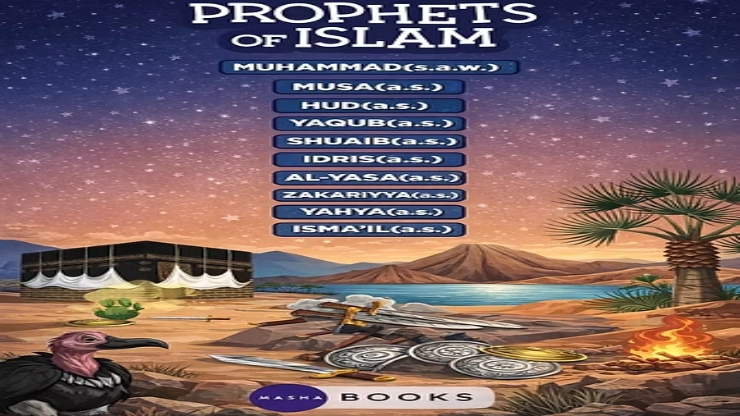
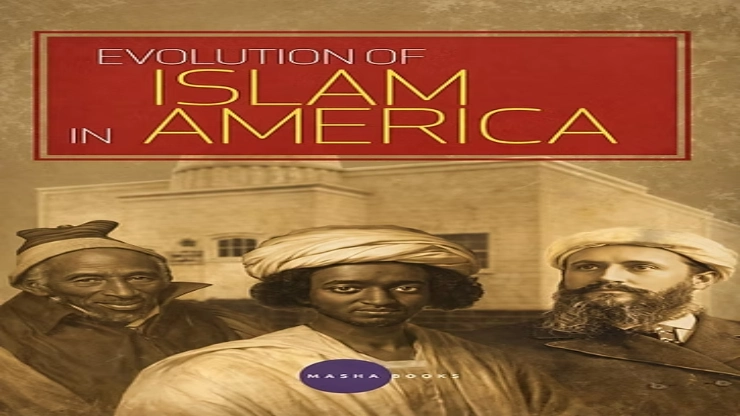
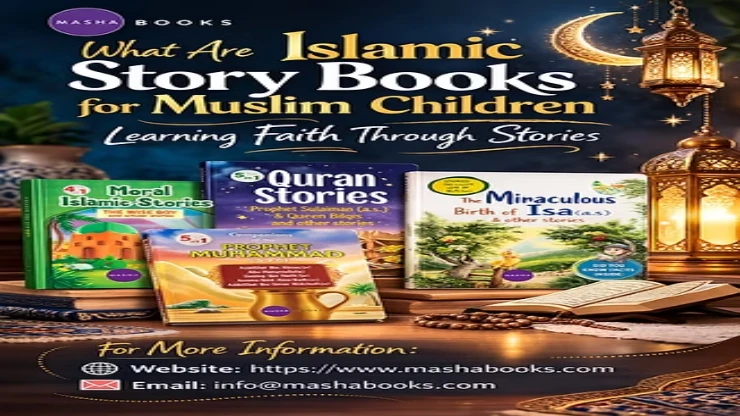
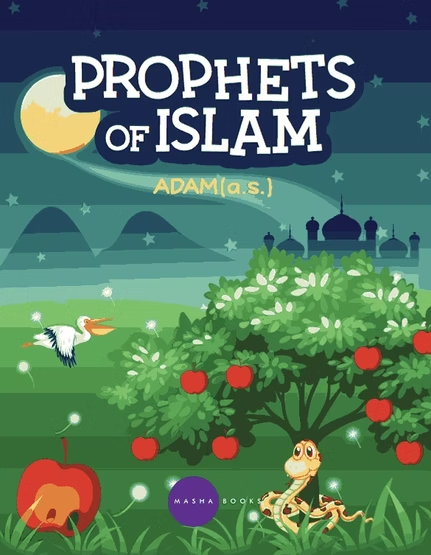
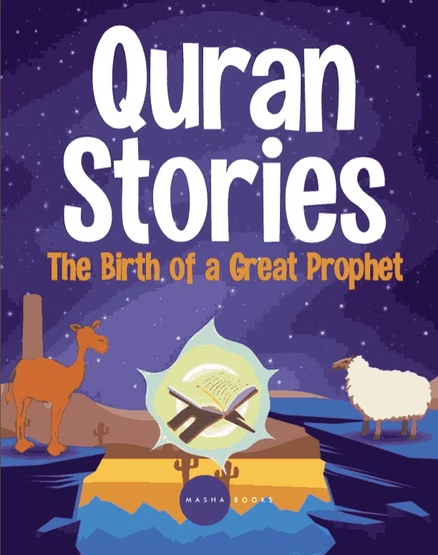
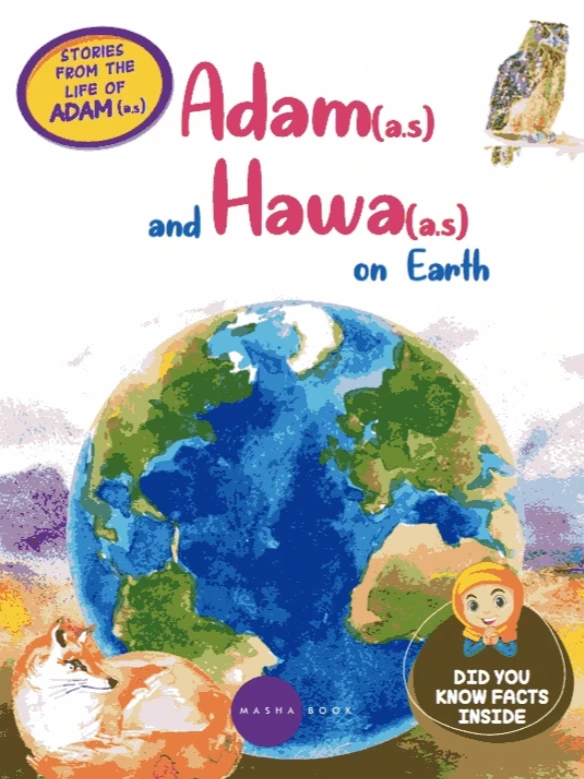
Literature is a powerful tool for teaching and moral development, especially for young readers. Islamic children’s books are vital resources that help shape a child’s understanding of their cultural and religious identity. These stories are filled with important lessons and morals, making it crucial for children to have literature that aligns with their beliefs as the world becomes more multicultural. By 2030, the global Muslim population is projected to reach nearly 2.2 billion, highlighting the need for relatable literature. As parents strive to instill Islamic values early on, these books play a significant role in young minds development. This article explores the growing interest in Islamic children’s literature, its benefits, common themes, recommended titles, market challenges, and the future of this important genre. The Growing Demand for Islamic Children’s Books Overview of the Global Muslim Population The Muslim population is rapidly growing, with estimates suggesting they will make up nearly 30% of the world’s population by 2060, according to the Pew Research Center. This growth highlights the need for literature that reflects their cultural and religious backgrounds. Many parents seek books to help their children understand Islam, fostering a sense of identity and belonging. Muslims live in diverse regions, making localized Islamic children’s literature essential. Countries like Indonesia, Pakistan, India, and Bangladesh have unique cultures that require stories tailored to resonate with young readers. This representation in literature is crucial for helping children connect with their cultural identity. Rising Awareness Among Parents Parents today recognize that early education shapes character. Many Muslim families prioritize teaching their children about faith and heritage, making Islamic children’s books essential. These books entertain while educating kids about cultural values and history. Research shows parents seek books reflecting their children’s backgrounds. A 2020 survey found that 80% of parents value culturally resonant literature. This awareness drives interest in Islamic children’s literature, promoting cultural pride and a deeper understanding of faith among young readers. Key Benefits of Islamic Children’s Books Cultural and Religious Identity Islamic children’s books play a vital role in shaping cultural and religious identity. They feature relatable characters and engaging stories that connect children to the broader Muslim community. Through these narratives, kids learn about Islamic values and traditions, deepening their bond with their faith. Moral and Ethical Development Islamic children’s books are crucial for both cultural identity and moral growth. They often emphasize values like kindness, honesty, compassion, and respect, which are core to Islamic teachings. By presenting these ideas in relatable ways, authors help children understand the importance of good character. For example, “The Caring Elephant” encourages children to be thoughtful and kind to others and all living things. This story reinforces the idea that good deeds are rewarded in this life and the next, inspiring kids to embrace kindness and empathy in their everyday lives. Encouraging Literacy and Learning Islamic children’s books captivate young readers, making learning about faith and culture enjoyable. Their engaging narratives present complex concepts in accessible ways, enhancing language skills and critical thinking. Studies show that culturally relevant texts improve reading habits and comprehension. The Journal of Literacy Research highlights that students who read materials reflecting their backgrounds exhibit better engagement and understanding. Thus, it’s essential for kids to access books that resonate with their values. Want to know more about how book publishing and distribution companies work? Click here to read Popular Themes in Islamic Children’s Literature Stories from the Quran and Hadith Islamic children’s books creatively adapt stories from the Quran and Hadith to engage young readers. These narratives, such as the compassion of Prophet Muhammad (PBUH) and the lessons from Prophet Yunus (Jonah), teach important Islamic values in a way that is both entertaining and educational. A great example is “The Story of the Prophet Muhammad,” which presents his life and teachings in a simple, relatable manner. By focusing on key events, this book encourages children to reflect on and emulate the Prophet’s exemplary character. Historical Figures and Events in Islam Islamic children’s literature features important figures like Prophets and influential women, serving as role models for young readers. These stories teach bravery and wisdom, helping children understand Islamic history’s significance. For example, “Women in Islam: A Guide for Young Readers” introduces figures like Khadijah (RA) and Aisha (RA), highlighting their essential contributions to Islamic civilization. Everyday Life and Values Islamic children’s books not only cover religious themes but also depict the everyday lives of Muslim families. These relatable stories address modern challenges and highlight the importance of family, community, and God’s role in daily life, helping children connect with their culture. For example, My First Ramadan illustrates the significance of Ramadan and fasting through familiar characters, teaching values like self-control, appreciation, and kindness, and instilling vital Islamic principles from an early age. Recommendations for Islamic Children’s Books Here are some Islamic children’s books that we think young readers will really enjoy. These books cater to different interests and age groups: Stories from the Lives of the Great Prophets: This series focuses on key moments in the lives of four revered Islamic prophets: Adam (a.s.), Ibrahim (a.s.), Musa (a.s.), and Isa (a.s.). Each book explores the personal journeys, trials, and profound lessons these prophets imparted, offering insight into their dedication to spreading the message of Allah. The stories emphasize Islamic values such as faith, patience, and leadership, providing readers with valuable life lessons grounded in the teachings of the Quran. Quran Stories – The Birth of a Great Prophet: This book focuses on the miraculous birth and early life of Prophet Ibrahim (a.s.), one of the most significant figures in Islamic history. It explores how, even as a child, Ibrahim (a.s.) rejected idol worship and embraced the belief in one God. Through engaging storytelling, readers learn about his deep faith and conviction, setting the stage for his future as a great prophet. The book offers important lessons in faith, resilience, and courage, making it an inspiring story for readers of all ages. Prophets of Islam: Prophets of Islam is an enlightening